
Summary
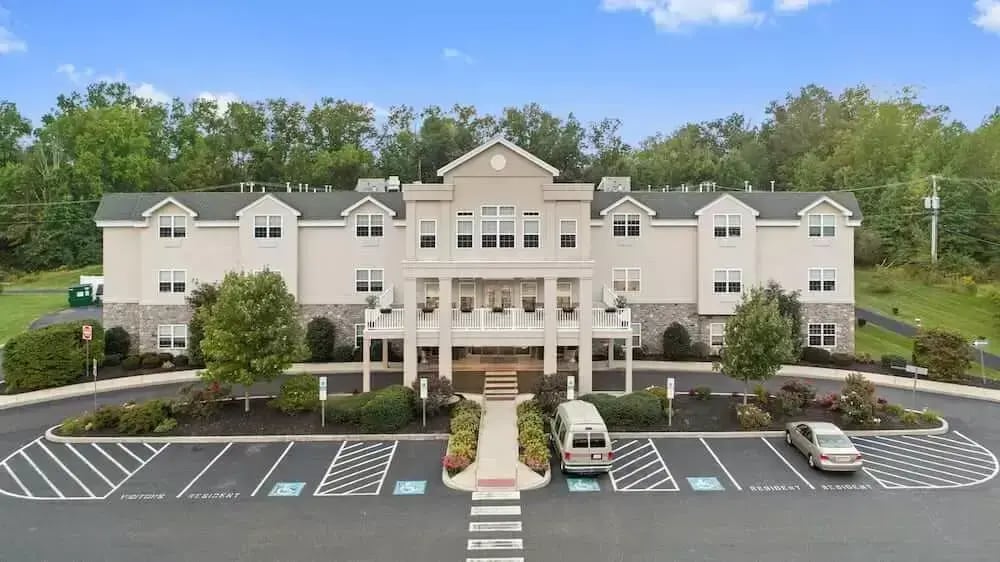
A dementia diagnosis affects the entire family, and quality memory care support for families helps everyone navigate this journey with confidence and compassion. Hidden Meadows on the Ridge demonstrates how comprehensive family support goes hand-in-hand with resident care.
- Education programs teach families what to expect, how behaviors change, and communication strategies that help visits feel more connected and less isolating
- Respite care and daily relief give primary caregivers a chance to rest, handle their own needs, and repair family relationships strained by exhaustion
- Regular communication and care conferences keep families involved in planning and decision-making, ensuring preferences and routines carry into daily life
- Professional guidance helps families make difficult decisions about care levels, medical choices, and end-of-life planning with support and without pressure
- Meaningful activities and community involvement create opportunities for authentic connection that preserve relationships and bring joy
A dementia diagnosis lands on the whole family, not just the person receiving it. Good memory care communities know that memory care support for families matters as much as the care residents receive. At Hidden Meadows on the Ridge in Sellersville, PA, that support takes the form of education, honest communication, relief for the people who have been carrying the load at home, and a community that treats family as part of the team.
Education Programs for Families
Dementia family education programs help families understand what’s happening and how to respond. Topics usually include:
- Recognizing changes in behavior and what tends to cause them
- How the condition progresses and what to expect at each stage
- Staying patient through difficult moments
- Communication approaches that work as abilities change
Workshops give families practical tools for visits and care planning. Many communities also host support groups where families can compare notes with others in the same situation and ask questions of people who do this work every day.
When families understand what’s happening, they respond with more patience and less fear. Education makes the whole situation feel less isolating.
Respite and Relief for Family Members Providing Care
Many adult children and spouses spend months or years providing round-the-clock care before they look at professional support. Family caregiver support in memory care starts with acknowledging that exhaustion. Respite for Alzheimer’s caregivers takes different forms: a short-term stay where a community offers one, or the daily relief that comes once a parent has moved in and is safe.
That relief lets families take a vacation, handle their own responsibilities, or simply sleep through the night. It often repairs strained family dynamics, too. When the people providing care look after themselves, everyone benefits, and the quality of life improves for the whole family. If you’ve been managing a parent’s care alongside your own household, this guide to balancing family life with a parent’s care is a useful read.
Ongoing Communication and Care Planning
Memory care communities keep families in the loop through regular updates, care conferences, and a team that’s easy to reach. Families hear about daily life, health changes, and overall well-being, which keeps them connected even when visits are infrequent.
Care plans are built with family input so that preferences, routines, and traditions carry into daily life. At Hidden Meadows, GLOW® Memory Care is organized around each resident’s life story, and no one knows that story better than the family. Regular care conferences give you a place to ask questions, share what you’ve noticed, and take part in decisions.
Professional Guidance Through Difficult Decisions
As a condition progresses, families face hard decisions about care levels, medical interventions, and end-of-life planning. Experienced care professionals and administrators can help you understand your options without pressure or judgment.
Communities also connect families with outside resources when it makes sense:
- Legal advisors for advance directives and estate planning
- Financial planners for care costs and benefits
- Hospice services for end-of-life coordination
- Local support organizations and advocacy groups
That network helps families find what they need at each stage and make decisions that match their values and their parent’s wishes.
Creating Meaningful Connections During Visits
Visits go better when families know how to connect at their parent’s current cognitive level. Care teams coach families on that, so visits feel less frustrating and more like time together. The best visits focus on emotional connection rather than quizzing someone about what they remember.
Family involvement in memory care at Hidden Meadows can look like:
- Special events and holiday celebrations on the community calendar
- Volunteering within the community
- Joining structured programs alongside your parent
- A walk together on the path around the building or time in the always-open gardens
One family wrote that the memory care neighborhood’s four wings, two large common areas, and outdoor access gave their mother, a lifelong walker, room to keep doing what she loves. Moments like that preserve the relationship and bring real joy.
Building a Support Network
The relationships families form with other families and with the care team outlast any single visit. They offer practical advice and the kind of understanding only people in the same situation can give.
Memory care communities also serve as a hub for Alzheimer’s family resources, educational seminars, and connections to local support organizations in Bucks County.
Family Support at Hidden Meadows on the Ridge
Caring for someone living with dementia takes a village, and Hidden Meadows on the Ridge is built to be one, set in the woodlands of Upper Bucks County near Grand View Hospital. Education, relief, open communication, and a welcoming place for family give you confidence and peace of mind. Schedule a personalized tour to meet the GLOW® Memory Care team and see how families fit in here.