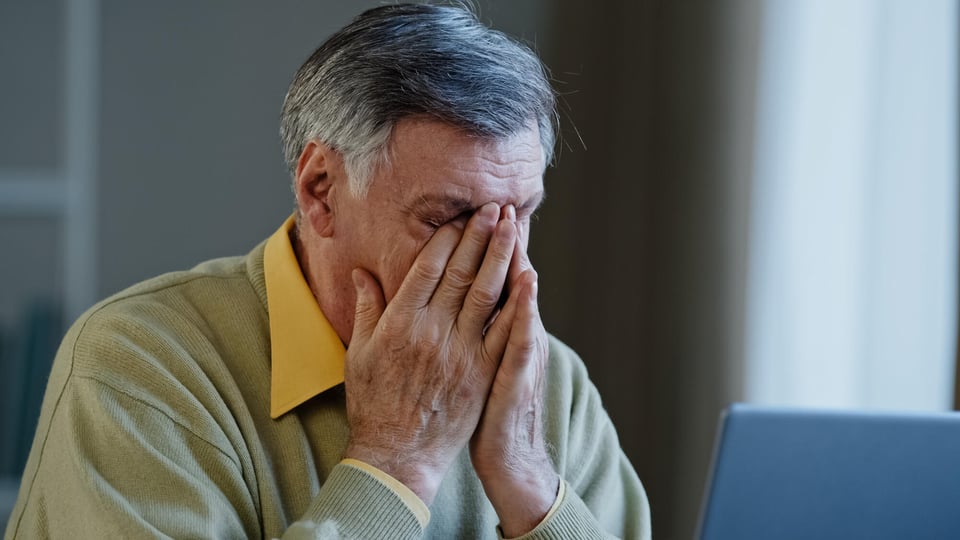
According to the CDC, around 4% of Americans over the age of 70 have depression. This may seem like a pretty low number, but it's only regarding people who are actually diagnosed.
In reality, there are significantly more older adults who have undiagnosed depression, as well as other mental health issues. This means that it's likely there's a huge problem where we're only seeing the tip of the iceberg. However, there's a stigma surrounding mental health, which prevents us from getting the proper help we need.
What is stigma in mental health, and how does it affect older adults in Sellersville, PA? Keep reading to find out more.
What Is Stigma in Mental Health?
A stigma is defined as a mark of disgrace or a strong lack of respect for a person or group of people. With respect to mental health, it's when people don't take it seriously and view those with conditions as weak, incapable, or even dangerous.
There are three types of stigma: institutional, public, and self. First there are systemic barriers that prevent you from accessing care and other resources. In the second, society looks down on those with mental health issues, labeling them as crazy, senile, etc.
Self-stigma may be the worst. Because you internalize the negative stereotypes, you may feel shame and guilt surrounding your struggles.
Why Does Mental Health Stigma Affect Seniors?
Seniors are especially at risk for mental health stigma. This is because a number of factors come together for the perfect storm.
It's Generational
Stoicism is a much-admired trait in many cultures, especially in generations past. You'd be seen as weak if you admitted you were struggling, so it's common for older adults to be tight-lipped about their mental health issues, much less seek help.
There Are Misinterpretations of Symptoms
It's a common belief that getting sad/anxious and losing parts of your memory are normal parts of aging. For example, it's common for people to mistake depression symptoms for grief. And anxiety may be brushed off as the older person becoming frailer.
Loved ones may also be in denial about their senior's memory loss problems. They might excuse the symptoms until the older adult is in the later stages of dementia.
They're Isolated and Lonely
Loneliness and social isolation can contribute to both mental health issues (like depression) and dementia/Alzheimer's. Not only can retirement cause these problems, but also any physical health issues or the loss of loved ones.
And because they must remain stoic about their struggles, older adults may become even more isolated in their thoughts and emotions.
There Are Barriers to Care
Doctors tend to underdiagnose mental health issues in seniors. But they may not even make it to the doctor, as caregivers for older adults might think mood changes are a normal part of aging.
Sometimes, caregivers and loved ones encourage seniors to seek treatment, but they may be resistant to therapy or medication.
What Happens to Seniors Who Have Mental Health Stigma?
Seniors who have mental health stigma will certainly suffer. The following can happen to them:
- Delayed treatment
- Increased physical illness
- Strained relationships
- Reduced quality of life
- Higher suicide risk
How to Help Break the Stigma
It's not easy to overcome this type of stigma, but it's not impossible. Here's more on stigma and support for seniors so your loved ones can experience better mental wellness in aging.
Have Open Conversations
A key part of senior emotional health is having open conversations. When something is discussed in normal, everyday life, then it doesn't seem as taboo anymore.
Chances are, you've had your own experiences with suboptimal mental health. So share your personal stories to show your beloved senior that it's not shameful to go through feelings associated with things like loss, illness, or even retirement.
Educate as Many People as Possible
As you can see, only 4% of seniors are diagnosed with depression, although the actual number can be much higher. In any case, depression is certainly not a normal part of aging, nor are other mental health conditions.
Help people understand the difference between normal aging and mental health issues. You can use:
- Pamphlets
- Talks at senior centers
- Online resources
Be sure to include information about treatment and mental health professionals.
Involve Healthcare Professionals
Speaking of professionals, you should involve trusted healthcare professionals too. For example, make sure your loved one is seeing a primary care doctor who has received training in geriatric mental health.
Plus, senior living, memory care, and mental health are all linked together. If they have access to mental health services while living in a community, then older adults can see a tremendous improvement in their overall well-being.
If your loved one doesn't reside in a senior living community, then you can still help them access mental health services. You can provide transportation to clinics or assist them in using telehealth platforms.
Encourage More Social Connections
Emotional care in later life involves social connections. As we've mentioned earlier, seniors are prone to loneliness and isolation, which can have a profound effect on their mental health.
You should encourage your loved one to join community groups or volunteer. Or if they're religious, tell them to join faith organizations. You can also ask your family members to make active efforts to do intergenerational activities with them.
If you and your family members live far away, then schedule regular calls or video chats. Even these can really make their day.
Help Break the Stigma
Now that you know the answer to the question, "What is stigma in mental health?" you're on your way to helping out your beloved senior.
They may be struggling, but no one knows, since they think they're supposed to be stoic. So, make a safe space for conversation and talk about mental health.
When they see that you understand and are compassionate, you may be surprised at what they've been holding onto inside.
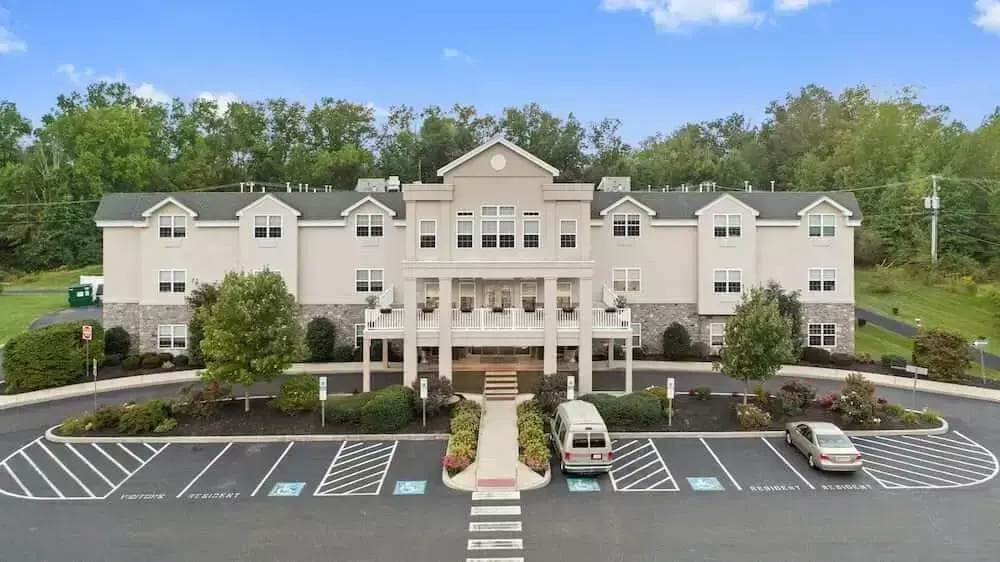
Schedule a tour with us today if you're interested in personal care senior living in Sellersville, PA. Hidden Meadows on the Ridge offers you and a guest a free, chef-prepared lunch when you visit our community!